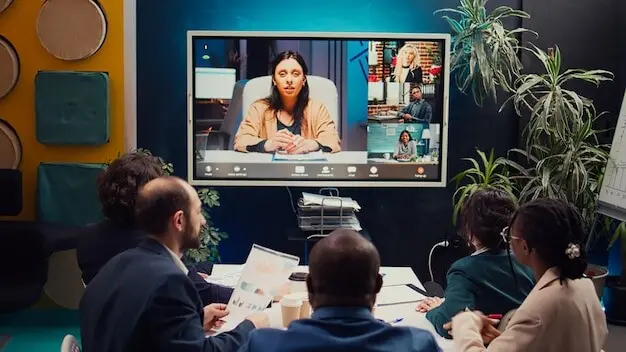
Working Together Apart: Real-World Remote Collaboration Scenarios

Today we dive into Virtual Team Collaboration Scenarios for Remote Work Training, turning everyday distributed challenges into learnable practice. Expect actionable stories, facilitation cues, and tool tips that help teams rehearse success, strengthen trust, and deliver results across distances, time zones, and cultures while avoiding burnout and confusion.

Foundations Before the First Call

Effective remote collaboration begins long before a meeting invite is sent. Clear purpose statements, shared norms, and explicit decision methods reduce friction that otherwise multiplies online. In training, we simulate expectation-setting, document-first thinking, and respectful response-time agreements so teams feel confident, reduce anxiety, and unlock momentum without relying on charismatic heroes or endless synchronous debates.

Design Handoff That Actually Lands

We rehearse creating micro-briefs that travel overnight with context baked in: problem framing, acceptance criteria, constraints, and open questions. Screenshare recordings, annotated screenshots, and decision notes ensure teammates pick up work with confidence. The next morning brings clarifying comments rather than meetings, sustaining momentum without sacrificing craft, quality, or psychological safety.

Async Review Without the Pain

Participants practice comments that are kind, specific, and actionable, paired with clear service-level expectations for responses. We test structured rubrics and templated feedback to prevent sprawling threads. Results include fewer misreads, faster iteration loops, and a culture where thoughtful silence equals progress, not indifference, because visibility is designed into the workflow from the start.

No-Drama Daily Progress Signals

Instead of status meetings, we model lightweight daily updates: yesterday, today, blockers, with links to work in progress. A rotating facilitator curates highlights into a single summary. Teams witness how clarity replaces noise, enabling leaders to help swiftly while contributors maintain focus and reclaim hours otherwise consumed by repetitive, interrupt-driven check-ins.

Scenario: Urgent Incident From the Kitchen Table

An outage hits during dinner. In training, we simulate establishing a virtual war room, assigning roles, and choosing a singular communication channel. Trainees learn to separate diagnosis from updates, reduce cognitive overload, and maintain humane, time-bound shifts. The exercise emphasizes clear ownership, calm language, and post-incident learning that strengthens systems and relationships alike.

Scenario: Onboarding a Teammate You Have Never Met

Bringing someone new into a dispersed group requires care. This scenario builds a first-90-days map with clear outcomes, mentors, and social touchpoints. We practice buddy systems, progressive responsibilities, and feedback cadences. The approach reduces ramp-up time, lowers attrition risk, and helps the newcomer feel welcomed, confident, and meaningfully productive early.

A First Week That Feels Like a Handshake

We rehearse a structured welcome: access ready on day one, a tour of documents, and short, friendly intros across functions. The buddy clarifies unwritten norms and helps the newcomer share preferred collaboration styles. Early wins are intentionally small, visible, and celebrated, anchoring momentum and confidence that compound through the second month.

Mentor Mesh, Not Lone Guru

Instead of overloading one person, trainees design a mesh of micro-mentors for architecture, process, and culture. Scheduled office hours, annotated code tours, and shadowing sessions create multiple, low-friction support paths. The newcomer learns whom to ask about what, avoiding bottlenecks, accelerating context absorption, and preventing quiet frustration hidden behind polite messages.

Feedback That Builds, Not Breaks

We model weekly check-ins with questions that invite candor: surprises, stuck points, and suggestions. Action items are written in shared notes with owners and due dates. Praise is specific and public; corrections are kind and private. This rhythm keeps alignment warm, prevents silent drift, and turns onboarding into a shared, uplifting accomplishment.

Scenario: Creative Brainstorm Without the Big Whiteboard

Distributed ideation works when energy meets structure. We simulate a two-stage workshop using async priming and brief synchronous convergence. Participants try silent idea generation, digital stickies, clustering, and voting with clear criteria. By designing psychological safety and timeboxing, creative friction becomes generative, leading to concrete proposals rather than meandering, camera-fatigue conversations.

Prime the Brain Before the Call

We send a concise brief, inspiration links, and a few provocative constraints two days early. Participants add rough ideas in a shared board on their own schedule. This incubation reduces pressure, improves contribution diversity, and ensures live time focuses on building, not explaining, increasing the odds that bold, surprising concepts actually surface.

Quiet Collaboration Is Still Collaboration

Silent rounds and emoji reactions reduce dominance dynamics. Trainees experience equitable airtime, where introverts and new joiners contribute without interruption. Facilitators guide clustering and naming patterns, then invite build-ons. The result is stronger ownership across ideas, a calmer tempo, and fewer regrets about great thoughts that never found space to be voiced.

Assemble the Story Before the Meeting

We teach teams to compile a concise narrative: performance metrics, customer signals, strategic context, and constraints. Stakeholders comment asynchronously, raising risks or opportunities early. This prework prevents grandstanding, shortens live sessions, and produces a shared mental model so everyone arrives ready to decide, not merely react to last-minute slide decks.

Workshops That Include Quiet Power

Breakouts, rotating facilitation, and written-first discussion invite voices that rarely dominate calls. We timebox divergent thinking, then weigh options using transparent criteria. By the decision point, tradeoffs are explicit, and participants understand not just what we chose, but why. That clarity fuels commitment and steady execution over the coming quarters.

Visible Bets, Accountable Follow-Through

Plans become real when they are tracked in the same systems used for daily work. We map each bet to measurable outcomes, owners, and review cadences. Quarterly recalibration checkpoints protect teams from drift. People believe in the process because it respects reality and honors learning without hiding behind vague ambition statements.

Scaling Culture, Communication, and Care

Sustainable remote collaboration requires rituals that travel, transparent narratives, and healthy boundaries. We explore storytelling that carries values, channels that resist overload, and recognition habits that humanize success. Training invites participants to share experiences, subscribe for scenario packs, and suggest future simulations, ensuring community wisdom keeps evolving alongside tools and practices.
Piravirodari
Privacy Overview

This website uses cookies so that we can provide you with the best user experience possible. Cookie information is stored in your browser and performs functions such as recognising you when you return to our website and helping our team to understand which sections of the website you find most interesting and useful.